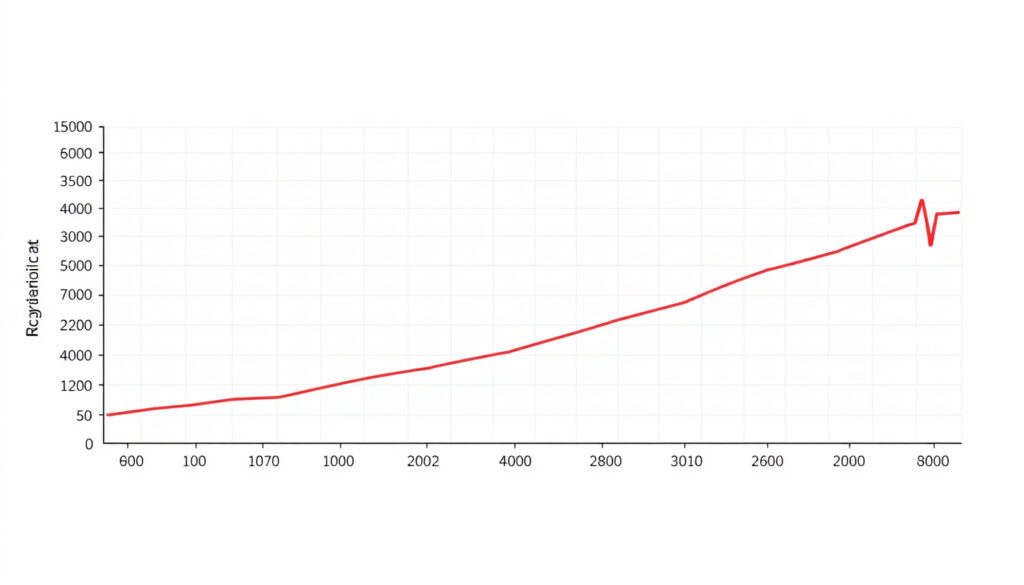
Age Blood Pressure Chart – Normal Ranges by Age and Gender
Blood pressure naturally fluctuates throughout life, making age one of the most significant factors in determining what constitutes a healthy reading. Understanding where your numbers fall on an age blood pressure chart can help you assess cardiovascular risk and determine whether lifestyle changes or medical intervention may be needed. Major health organizations, including the American Heart Association, have established classification systems that account for how normal blood pressure ranges shift across different life stages.
For adults, readings below 120/80 mm Hg are generally considered normal, though healthy ranges vary considerably by age and gender. Systolic pressure—the top number indicating pressure during heartbeats—tends to rise naturally as arteries stiffen over time. This article provides a comprehensive guide to normal blood pressure by age, breaking down the data by gender, presenting visual charts, and explaining the physiological factors behind these patterns.
Whether you are reviewing numbers for yourself or helping an older family member track their cardiovascular health, having accurate reference data matters. The classifications and target ranges presented here reflect guidance from major health organizations, though individual circumstances can vary significantly.
What Is Normal Blood Pressure by Age?
Establishing what counts as normal blood pressure requires looking at both systolic and diastolic values. Systolic pressure measures the force when the heart contracts, while diastolic measures the pressure between beats when the heart rests. Both numbers are expressed in millimeters of mercury (mm Hg), and together they provide a picture of cardiovascular status.
Healthcare providers use standardized categories to classify readings. These categories help determine whether someone needs monitoring, lifestyle adjustments, or treatment. Below is an overview grid showing how blood pressure categories align across different age groups.
| Age Group | Normal | Elevated | Stage 1 Hypertension | Stage 2 Hypertension |
|---|---|---|---|---|
| 18–39 years | <120/80 mm Hg | 120–129 / <80 mm Hg | 130–139 / 80–89 mm Hg | ≥140 / ≥90 mm Hg |
| 40–59 years | <120/80 mm Hg | 120–129 / <80 mm Hg | 130–139 / 80–89 mm Hg | ≥140 / ≥90 mm Hg |
| 60+ years | <120/80 mm Hg | 120–129 / <80 mm Hg | 130–139 / 80–89 mm Hg | ≥140 / ≥90 mm Hg |
| 70+ years | <120/80 mm Hg | 120–129 / <80 mm Hg | 130–139 / 80–89 mm Hg | ≥140 / ≥90 mm Hg |
These categories apply universally, but target ranges used in clinical practice may be adjusted upward for older adults based on individual health status and treatment tolerability.
Key Insights on Blood Pressure by Age
- Systolic pressure—represented by the top number—consistently rises with age, even when diastolic values remain stable or decline slightly after middle age
- Men generally have higher blood pressure than women during younger and middle adult years, but this pattern reverses after age 60
- After menopause, women over 60 often exhibit higher average systolic readings than age-matched men, reflecting hormonal changes that remove natural cardiovascular protection
- Blood pressure norms for children and adolescents differ substantially from adult standards and are based on age, sex, and height percentiles rather than fixed cutoff values
- Healthcare providers may set age-adjusted targets: below 120/80 mm Hg for adults 18–39, below 130/80 mm Hg for those 40–59, and below 140/90 mm Hg for adults 60 and older
- Regular monitoring becomes increasingly important with advancing age, as cardiovascular risk compounds over time
Normal Blood Pressure Ranges by Age Group
| Age Group | Normal Systolic Range | Normal Diastolic Range | Notes |
|---|---|---|---|
| 18–25 years | 115–120 mm Hg | 75–80 mm Hg | Young adults typically have the lowest readings |
| 26–39 years | 117–122 mm Hg | 76–81 mm Hg | Readings begin gradual upward drift |
| 40–49 years | 120–125 mm Hg | 80–83 mm Hg | Average BP for men: 124/77; Women: 122/74 |
| 50–59 years | 123–129 mm Hg | 81–85 mm Hg | Cardiovascular risk factors increase |
| 60–69 years | 130–135 mm Hg | 85–86 mm Hg | Target <140/90 for most in this group |
| 70+ years | 132–140 mm Hg | 84–88 mm Hg | Arterial stiffening affects systolic readings most |
Blood Pressure Chart by Age and Gender
Gender introduces meaningful variation into blood pressure patterns that a basic age chart alone cannot capture. Research consistently shows that men tend to have higher readings than women during younger and middle adult years, but this relationship shifts after age 60 when women often exhibit higher average systolic pressure.
Average Blood Pressure for Men and Women by Age
| Age Group | Average Men | Average Women |
|---|---|---|
| 18–39 years | 119/70 mm Hg | 110/68 mm Hg |
| 40–59 years | 124/77 mm Hg | 122/74 mm Hg |
| 60+ years | 133/69 mm Hg | 139/68 mm Hg |
These averages illustrate a notable crossover. Women in their reproductive years typically enjoy cardiovascular protection from estrogen, which helps keep blood pressure lower than male counterparts of the same age. As menopause approaches and estrogen levels decline, this protective effect diminishes, and blood pressure trends upward.
Understanding the Gender Crossover After 60
The hormonal changes associated with menopause fundamentally alter cardiovascular dynamics for women. Estrogen previously helped maintain flexible arteries and lower overall resistance. Once estrogen production diminishes significantly, women lose this natural advantage, and systolic blood pressure often rises above that of age-matched men.
For women over 60, average readings of 139/68 mm Hg reflect this shift. Men at the same age average 133/69 mm Hg. The slightly higher systolic average for women in this group corresponds with increased cardiovascular risk, making monitoring and preventive care particularly important for post-menopausal women.
Individual health status, medications, and other factors can influence what constitutes an appropriate target for any given person. These population averages should inform conversations with healthcare providers rather than replace personalized medical advice.
Blood Pressure for Children and Adolescents
Pediatric blood pressure norms differ substantially from adult standards. Rather than applying fixed cutoff values, healthcare providers assess children’s readings against age, sex, and height percentiles. This approach accounts for natural growth and development variations across childhood.
| Age Group | Systolic Range | Diastolic Range |
|---|---|---|
| Newborns (up to 1 month) | 60–90 mm Hg | 20–60 mm Hg |
| Infants (2 months to 1 year) | 87–105 mm Hg | 53–66 mm Hg |
| Toddlers (1–3 years) | 95–105 mm Hg | 53–66 mm Hg |
| School-aged (5–10 years) | 97–112 mm Hg | 57–71 mm Hg |
| Adolescents (10–19 years) | 112–128 mm Hg | 66–80 mm Hg |
These ranges represent typical values for healthy children at respective developmental stages. Pediatric healthcare providers use specialized percentile-based charts to determine whether a child’s reading falls within a normal range for their specific demographic profile.
What Counts as High or Low Blood Pressure by Age?
High blood pressure, or hypertension, develops when readings consistently fall into elevated categories. Understanding the specific thresholds helps identify when intervention becomes necessary and what level of concern is warranted.
Stages of Hypertension by Age
The American Heart Association classifies blood pressure into several categories that apply across adult age groups. These classifications help healthcare providers determine appropriate responses and treatment strategies.
- Normal: Less than 120/80 mm Hg
- Elevated: 120–129 systolic and less than 80 diastolic
- Stage 1 Hypertension: 130–139 systolic or 80–89 diastolic
- Stage 2 Hypertension: 140 or higher systolic or 90 or higher diastolic
- Hypertensive Crisis: Higher than 180 systolic and/or higher than 120 diastolic, requiring immediate medical attention
Elevated blood pressure represents a warning stage where lifestyle modifications can often prevent progression to full hypertension. Once Stage 1 or Stage 2 thresholds are reached consistently, treatment decisions typically involve both lifestyle changes and medication based on overall cardiovascular risk.
Low Blood Pressure by Age
Low blood pressure—hypotension—can cause symptoms like dizziness, fainting, and fatigue. While no universal age-specific cutoff defines hypotension, readings below 90/60 mm Hg generally warrant investigation, particularly when accompanied by symptoms.
For older adults, low blood pressure can be more concerning than elevated readings, as it increases fall risk and may indicate underlying health issues such as medication effects, dehydration, or cardiac problems. Healthcare providers assess low blood pressure in context of symptoms, overall health status, and medication history rather than applying fixed thresholds.
When checking blood pressure at home, avoid caffeine and exercise for at least 30 minutes beforehand. Sit quietly for five minutes with feet flat on the floor before taking a reading to ensure accuracy.
Does Blood Pressure Increase with Age?
Yes. Blood pressure, particularly systolic pressure, tends to rise with age due to physiological changes in the cardiovascular system. This pattern is so consistent that healthcare providers expect some degree of increase even among otherwise healthy individuals.
Why Systolic Pressure Rises with Age
The primary driver of age-related blood pressure increase involves arterial stiffening. Over time, arteries lose elasticity and become less able to expand and contract in response to blood flow. This reduced flexibility means the heart must work against higher resistance, elevating systolic readings while diastolic values may remain stable or even decline slightly.
Additional factors contributing to age-related changes include hormonal fluctuations—particularly the decline of estrogen in post-menopausal women—cumulative cardiovascular stress, and the increasing likelihood of conditions like diabetes or kidney disease that affect blood pressure regulation.
Physiological Factors Affecting Blood Pressure Across the Lifespan
- Arterial stiffening: Connective tissue changes reduce arterial elasticity, increasing systolic pressure while diastolic pressure may stabilize or decrease slightly
- Hormonal changes: Estrogen decline in women removes cardiovascular protection, contributing to rising pressure after menopause
- Cumulative cardiovascular stress: Years of elevated heart rate, dietary sodium, and other factors gradually affect vascular health
- Underlying medical conditions: Diabetes, kidney disease, thyroid disorders, and other conditions can directly influence blood pressure
- Medication effects: Many prescription medications, including some antidepressants, steroids, and pain relievers, can raise blood pressure
- Individual variation: Genetics, lifestyle habits, and overall health create substantial differences in how blood pressure changes with age
Target Ranges by Age Category
Healthcare providers often apply age-adjusted treatment targets that balance aggressive control against quality of life considerations, particularly for older adults who may experience side effects from multiple medications.
Target ranges shown here represent general guidelines. Individual treatment goals should be determined in consultation with a healthcare provider who can consider specific health conditions, medication tolerability, and overall cardiovascular risk profile.
For adults aged 18–39, the target is generally below 120/80 mm Hg. For those aged 40–59, many guidelines accept targets below 130/80 mm Hg. Adults aged 60 and older often have targets below 140/90 mm Hg, though some providers may adjust these based on individual circumstances.
How Blood Pressure Guidelines Have Evolved
Blood pressure classifications have undergone significant revisions over the past several decades as research has clarified the cardiovascular risks associated with elevated readings. Understanding this evolution helps contextualize current guidelines.
Timeline of Major Blood Pressure Guideline Changes
- 1977: The first Joint National Committee (JNC I) guidelines established initial definitions of hypertension, setting thresholds considerably higher than modern standards and primarily targeting severe cases
- 1993: The JNC V guidelines introduced more aggressive treatment thresholds, reflecting growing evidence that even moderate elevation carried significant cardiovascular risk
- 2003: JNC VII lowered the threshold for hypertension diagnosis from 140/90 to 130/80 mm Hg for certain populations, acknowledging that lower targets improved outcomes
- 2017: The ACC/AHA guidelines further refined classifications, introducing elevated and Stage 1 categories to identify at-risk individuals earlier
- 2023: International guidelines continued emphasizing individualized targets, with some organizations recommending stricter control for high-risk patients while allowing more flexible goals for frail older adults
When to Seek Medical Attention
While routine monitoring helps track gradual changes over time, certain blood pressure readings demand immediate evaluation. According to the Mayo Clinic, hypertensive crisis—when readings exceed 180/120 mm Hg—requires emergency care, especially if accompanied by chest pain, shortness of breath, back pain, numbness, or visual changes.
Persistent readings in the Stage 1 or Stage 2 hypertension range warrant consultation with a healthcare provider within days to weeks. For most adults, lifestyle modifications including reduced sodium intake, increased physical activity, and weight management can help bring elevated readings back to normal ranges without medication.
Regular monitoring becomes particularly valuable for detecting gradual changes that might otherwise go unnoticed. Home blood pressure monitoring provides useful data points that complement readings taken during medical appointments, though proper technique remains essential for accurate assessment.
Using This Age Blood Pressure Chart
This blood pressure ranges guide serves as a reference tool rather than a diagnostic instrument. The data reflects population-level patterns and established clinical guidelines from organizations like the American Heart Association and Centers for Disease Control and Prevention.
Individual factors including genetics, existing medical conditions, medication use, and overall health status influence what constitutes an appropriate blood pressure target. A healthcare provider can help interpret where personal readings fall relative to these ranges and develop an appropriate management plan.
Understanding age-related patterns in blood pressure helps set realistic expectations and identifies when intervention may benefit cardiovascular health. Whether tracking changes for yourself or a family member, these reference points provide a foundation for informed discussions with healthcare professionals.
Frequently Asked Questions
What is the normal blood pressure for a 70-year-old?
Normal blood pressure for adults 70 and older is generally considered below 120/80 mm Hg, though many healthcare providers accept targets below 140/90 mm Hg for this age group depending on overall health and treatment tolerability. Systolic readings between 132–140 mm Hg often represent typical aging patterns rather than concerning hypertension.
Is 150 over 90 high blood pressure for a 60-year-old?
A reading of 150/90 mm Hg falls into the Stage 2 hypertension category for adults of any age. While target ranges may be slightly more flexible for older adults, this level typically warrants lifestyle modifications and possibly medication. Consultation with a healthcare provider helps determine appropriate next steps.
What is considered high blood pressure for a woman?
High blood pressure thresholds are identical for men and women: readings of 130/80 mm Hg or higher indicate Stage 1 hypertension, while 140/90 mm Hg or higher indicate Stage 2. Average blood pressure differs by gender across age groups, but classification thresholds remain consistent.
Does blood pressure change with age?
Yes. Systolic pressure—the top number—typically rises with age as arteries stiffen. Diastolic pressure may remain stable or decrease slightly after middle age. This pattern explains why many older adults develop isolated systolic hypertension, where the top number is elevated while the bottom number stays normal.
What is a dangerously low blood pressure reading?
Readings below 90/60 mm Hg may be considered hypotensive, though danger depends more on symptoms than specific numbers. Dizziness, fainting, blurred vision, and fatigue often accompany low blood pressure. In older adults, even moderate drops can increase fall risk and warrant medical evaluation.
How often should I check my blood pressure as I get older?
Adults with normal blood pressure should check at least annually. Those with elevated readings or hypertension may need more frequent monitoring—daily at home if managing with medication, or weekly during periods of lifestyle modification. Regular checks help detect gradual changes and inform treatment adjustments.
Why does women’s blood pressure increase after menopause?
Estrogen provides cardiovascular protection by helping maintain flexible arteries and lower vascular resistance. After menopause, estrogen production decreases significantly, removing this protective effect. Many women experience rising systolic blood pressure in their 60s and beyond, often exceeding average readings for age-matched men.
More related posts
 Canadian Tire Powell River: Hours, Phone, Products & Ownership
 Shrimp Stir Fry Recipe – Quick 20-Minute Healthy Dinner
 Best Pots and Pans Sets: Expert Tests and Top Picks
 Bank of Montreal Online Banking – Login and Registration Guide
 WestJet Carry-On Size Guide: New 2025 Rules & Dimensions
 189 USD to CAD – Convert US Dollars to Canadian Dollars
 North Shore Medical Imaging: Services, Booking, Reviews
 Lord of the Mysteries: Plot, Anime 2025 Release & Season 2
