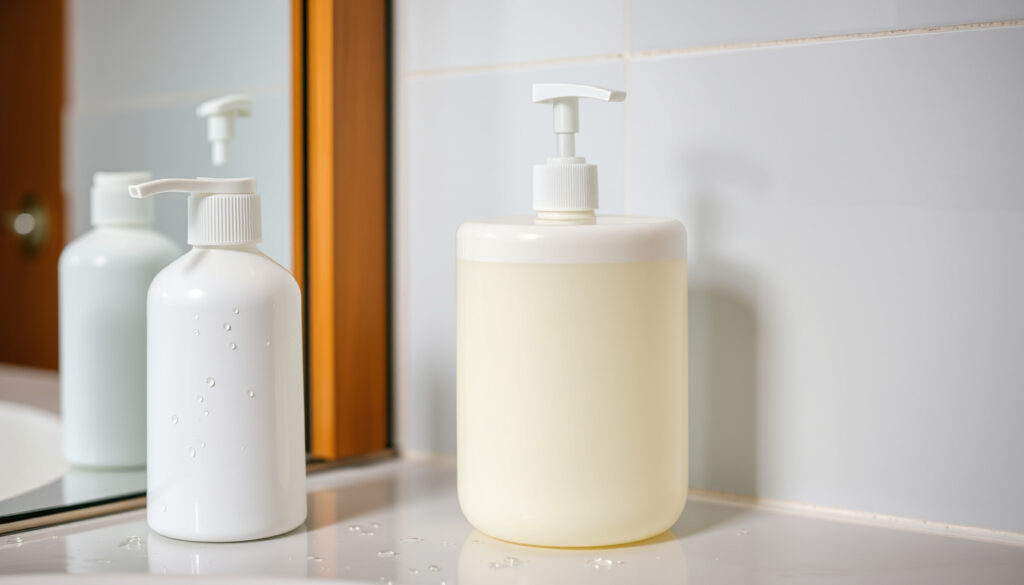
Can I Use Hand Soap as Body Wash? Safety Explained
You step into the shower, suds up, and reach for the bottle — only to find it empty. Sound familiar? It’s a question that’s probably crossed everyone’s mind at least once: can you just grab the hand soap sitting by the sink instead? The short answer is yes, occasionally, but the details matter more than most people realize.
General safety for body use: Yes, short-term · pH difference noted: Hand soap alkaline vs body wash neutral · Cleansing effectiveness: Lifts soil and microbes · Expert consensus: Safe per Marketplace · User discussions: Common on Reddit
Quick snapshot
- Hand soap removes dirt and microbes (Puracy)
- Long-term dryness risks by skin type (Amvital)
- Skin barrier healing takes 4–6 weeks with pH-balanced products (Amvital)
- Occasional use is safe; long-term may require moisturizer (Mr Hygiene)
| Label | Value |
|---|---|
| Substitution viability | Yes, for cleaning |
| Primary concern | Skin dryness |
| Expert view | Safe generally — Marketplace |
| User sentiment | Mixed — Reddit |
Can hand soap be a substitute for body wash?
Hand soap does clean skin effectively by lifting soil and microbes from the surface. The surfactants in hand soap work the same way as those in body wash — they break down oils and wash away bacteria. For a one-time substitute, your skin will get clean.
However, hand soaps are formulated differently than body washes. Many contain antibacterial agents like triclosan or higher concentrations of harsh surfactants designed to handle the frequent handwashing that kitchen and bathroom sinks demand. Dermatologists writing for Time Magazine note that soap disrupts the skin barrier and alters its natural acidity — effects that compound with repeated exposure.
Short-term vs long-term use
Occasional use — say, when you’ve run out of body wash on a camping trip — poses minimal risk for most people. Experts at Mr Hygiene confirm that using hand soap on your body once or twice is generally safe, provided you don’t notice irritation.
Frequent use tells a different story. Regular application of high-pH hand soap can dry out your epidermal barrier, leaving skin tight, itchy, or flaky. If you find yourself reaching for lotion after every shower, your soap choice may be the culprit.
Skin type considerations
Sensitive skin reacts more strongly to alkaline products. People with conditions like eczema, rosacea, or chronic dryness should be particularly cautious. The high pH of hand soap (typically 9–10) sits far outside the ideal range for body skin, which naturally prefers a slightly acidic environment around 4.5–5.5.
If you have reactive skin, experts recommend sticking to products specifically labeled for body use, or at least choosing a pH-balanced cleanser rather than traditional soap.
Is it safe to wash your body with hand soap?
Dermatologists and hygiene experts generally agree: using hand soap on your body occasionally is safe, but it’s not the ideal long-term choice. The safety verdict depends heavily on how often you do it, your skin type, and what specific product you’re using.
pH and skin impact
The core issue is pH mismatch. Human skin sits at a slightly acidic 4.5–5.5, which helps maintain its protective acid mantle. Traditional soaps, including most liquid hand soaps, typically measure 9–10 on the pH scale — significantly more alkaline. According to research from Amvital, this alkaline jolt strips away skin’s natural oils and disrupts the microbiome that keeps pathogens at bay.
A 2021 study cited by Time Magazine found that frequent use of traditional soaps causes measurable barrier impairment, though modern pH-balanced cleansers showed no such damage.
“pH is also really important for the skin’s microbial defense,” Dr. Rossi told Time Magazine. That acidic environment isn’t just trivia — it’s your body’s first line of immune defense.
Antibacterial variants
Antibacterial hand soaps deserve special scrutiny. These products often contain ingredients like triclosan or benzalkonium chloride that are effective against germs but potentially irritating to large areas of body skin. The Puracy blog notes that antibacterial variants are specifically formulated for quick hand rinses, not extended shower contact over arms, legs, and torso.
“Cleansers have a pH that matches the skin, and they don’t strip the whole barrier off the way old-school soap does.”
— Dr. Nazarian, dermatologist (via Time Magazine)
What’s the difference between liquid hand soap and body wash?
Both products clean using surfactants, but the formulation goals differ significantly. Body wash aims for skin compatibility across larger body areas, while hand soap prioritizes germ-killing efficiency for high-contact hand surfaces.
Ingredients breakdown
Hand soaps typically contain higher concentrations of surfactants like sodium lauryl sulfate to generate lather and cut through kitchen grease. Body washes incorporate more humectants (moisture-attracting ingredients) and emollients (skin-softening oils) to offset the drying effects of cleansing.
According to Twin Craft, both products effectively disable viruses through their surfactant action — but the surrounding formulation determines whether your skin feels smooth or tight afterward.
Moisturizing agents
Most quality body washes include ingredients like glycerin, aloe vera, shea butter, or ceramides that hand soaps typically omit. These moisturizers create a protective layer that helps skin retain hydration during and after the shower. Without them, the alkaline assault of soap continues to draw moisture from your skin cells long after you’ve stepped out.
Hand soap gets you clean quickly with minimal residue. Body wash takes longer to rinse but leaves skin feeling softer. If your priority is a fast, thorough cleanse with no lingering film, hand soap wins. If comfort matters more than efficiency, body wash is the better choice.
What to use if I don’t have body wash?
When you’re out of body wash, hand soap is the most accessible backup option. Here are alternatives ranked by skin-friendliness.
Hand soap options
Plain, fragrance-free liquid hand soap makes a decent emergency substitute. Avoid anything labeled “antibacterial,” “moisturizing,” or heavily scented — these extra ingredients add variables your skin may not appreciate in large quantities. If you have a gentle hand soap with minimal additives, it will work in a pinch.
Household alternatives
Castile soap — often used for dishes or laundry — can substitute for body wash at half concentration, diluted with water. Baking soda dissolved in warm water offers another emergency option for short-term use, though it’s best reserved for one-off situations rather than ongoing showers.
Plain water alone cleanses less effectively. Research from Mr Hygiene confirms that water without surfactant action leaves more oils and microbes on skin. It’s better than nothing, but don’t mistake a water rinse for a proper cleanse.
Can you use foaming hand soap as body wash?
Foaming hand soaps are essentially diluted versions of their liquid counterparts — the foam is generated by air mixed with the soap solution. This means the pH and surfactant concentration are actually lower than traditional liquid hand soaps, which can be both good and bad.
Foaming vs liquid
Because foaming soaps are pre-diluted, they’re gentler on skin than concentrated liquid soaps. However, they also lather less and may require more product to achieve the same cleansing effect. For body use, you’d need to apply more foam to cover larger surface areas, which can negate some of the gentleness benefit.
Specific brands like Dove
Dove’s hand wash products are marketed as “moisturizing,” which signals added emollients — a feature body washes typically include. Some users report satisfactory results using Dove hand wash as a body cleanser. However, Dove’s hand soaps still carry higher pH than true body washes, so results vary by individual skin type.
“Not all soaps are bad, and not all body washes are good. The key is understanding ingredients, pH levels, and your own skin’s needs.”
— Dr. Monisha Aravind (via YouTube)
The implication: your skin type matters more than the brand name. Someone with oily, resilient skin may tolerate Dove hand wash on their body without issue, while someone with dry, sensitive skin will likely experience irritation.
Comparison of soap types
Three key product categories show distinct formulation differences that affect skin compatibility.
| Product type | pH range | Key characteristics | Body use suitability |
|---|---|---|---|
| Traditional soap | 9–10 | High alkalinity, may leave residue | Not recommended for regular use |
| Hand soap | 9–10 | Antibacterial variants common, designed for quick rinse | Safe occasionally; watch for dryness |
| Liquid body wash | 6–8 | pH-balanced, includes moisturizers | Ideal for daily use |
The pattern is straightforward: lower pH correlates with better skin compatibility. Traditional bar soaps and most hand liquids sit well above the skin’s natural 4.5–5.5 range, while quality body washes cluster closer to neutral or mildly acidic.
Pros and cons of using hand soap on your body
Upsides
- Effective at removing dirt, oils, and microbes
- Readily available in most households
- Viable emergency substitute when body wash runs out
- Works well for quick rinses before surgery or medical procedures
Downsides
- High pH disrupts skin’s acid mantle with repeated use
- Can cause dryness, tightness, or irritation
- Antibacterial variants may harm skin microbiome
- Lacks moisturizers found in body washes
- Residue may linger longer than body wash formulas
What this means: for most adults with normal skin, an occasional swap poses minimal risk. The problems emerge with habitual substitution — the cumulative effect of alkaline exposure gradually compromises your skin’s barrier integrity.
What experts know — and what remains unclear
Research and expert consensus establish several points with confidence, though some questions remain open.
- Hand soap removes dirt and microbes from skin effectively
- Body wash is formulated specifically for larger body surface areas
- Traditional soaps at pH 9–10 disrupt skin’s acidic environment
- Dermatologists recommend pH-balanced cleansers over traditional soap
- Switching to pH-balanced products reduces skin tightness within about one week
For everyday showering, the choice between hand soap and body wash isn’t really about cleaning power — both remove grime effectively. It’s about what happens to your skin afterward. Body wash wins on comfort; hand soap wins on convenience. The smart move is matching the product to the situation: grab that hand soap in an emergency, but stock proper body wash for your regular routine.
Related reading: Age Blood Pressure Chart · Lower Right Abdomen Pain
Related coverage: body wash as hand wash safety fördjupar bilden av Can I Use Body Wash as Hand Wash – Safety and Key Differences.
Frequently asked questions
Can you use antibacterial hand soap as body wash?
Technically yes, but it’s not ideal. Antibacterial agents are designed for quick hand contact, not extended use across your body. Frequent use of antibacterial soap as body wash may cause irritation or disrupt your skin’s microbial balance. Use it sparingly and rinse thoroughly.
Can I use shampoo as body wash?
Shampoo is formulated for scalp skin, which has different characteristics than body skin. While it will cleanse, shampoo often contains stronger detergents intended to remove scalp oils. Using it on your body repeatedly can lead to dryness. It’s a better emergency option than hand soap in some ways, but not an ideal substitute.
Can you use hand soap as shampoo?
Hand soap is not recommended as shampoo. Scalp skin is sensitive and the alkaline pH of hand soap can irritate hair follicles and scalp. Additionally, hand soap may not rinse out completely, leaving residue that affects hair texture and appearance.
Can you use Dove hand wash as body wash?
Dove hand wash contains moisturizing agents that make it gentler than most hand soaps. Some people use it successfully as an occasional body wash substitute, especially those with resilient skin. However, it still carries higher pH than formulated body washes, so results vary by individual.
Can I use hand soap as face wash?
Face skin is even more sensitive than body skin and has its own dedicated product category. Using hand soap on your face can cause irritation, dryness, and disrupt the delicate pH balance facial skin requires. Dermatologists strongly recommend against this substitution.
Can you use antibacterial hand soap on your body before surgery?
Medical guidelines typically specify chlorhexidine gluconate or iodine-based antiseptics for pre-surgical bathing, not standard antibacterial hand soap. Always follow your surgical team’s specific pre-op instructions rather than relying on household hand soap products.
Do you recommend soap for skin care?
Dermatologists generally recommend pH-balanced, gentle cleansers over traditional soaps. If you prefer soap, look for “pH-balanced” or “soap-free” labels and choose products in the 5.5–7 pH range. Avoid harsh, high-pH bar soaps if you have dry or sensitive skin.
More related posts
 Levi Ackerman: The Guide to Humanity’s Strongest Soldier
 Visa Airport Companion Program: Eligibility, Cost, and Value
 USD to CAD Exchange Rate by Date – Historical Data and Trends
 6 Inches to cm: Exact Conversion, Formula & Examples
 219 Fort York Blvd: Reviews, Sales, Rent in Toronto
 Maison à Vendre Val-des-Monts: Homes for Sale in Val-des-Monts QC
 Meredith Grey: Complete Character Guide to Grey’s Anatomy
 Robert Irwin Dancing with the Stars: Win, Injury, Apology
